


General vs. Special Power of Attorney in Florida: What’s the Difference?
When planning for the future or handling important legal and financial affairs, establishing a Power of Attorney (POA) is one of the most effective steps you can take.
When planning for the future or handling important legal and financial affairs, establishing a Power of Attorney (POA) is one of the most effective steps you can take. In Florida, a Power of Attorney allows an individual (the Principal) to grant legal authority to another trusted person (the Agent or Attorney-in-Fact) to make decisions and act on their behalf.
However, not all POAs are created equal. Depending on your specific needs, you may require a General Power of Attorney or a Special (Limited) Power of Attorney. Understanding the key differences between these two options will help you choose the right legal tool for your situation.
1. General Power of Attorney in Florida
A General Power of Attorney grants broad, sweeping authority to your designated Agent to handle a wide range of legal, financial, and business matters.
Scope of Authority: The Agent can manage bank accounts, pay bills, sell or buy real estate, sign contracts, file tax returns, and handle investments.
When It’s Used: Often used in comprehensive estate planning or when someone wants a trusted person to manage their overall affairs if they are traveling extensively or facing long-term illness.
Key Feature: Because the authority is broad, it requires absolute trust in the designated Agent.
2. Special (Limited) Power of Attorney in Florida
A Special Power of Attorney—often referred to as a Limited Power of Attorney—restricts the Agent’s authority to specific actions, transactions, or timeframes.
Scope of Authority: The Agent is granted power only for the explicit purpose outlined in the document. Once that specific task is completed or the designated timeframe expires, the POA automatically terminates.
When It’s Used: Very common in real estate transactions (e.g., authorizing an agent or family member to sign closing documents for a specific property purchase while you are out of state) or for single financial tasks.
Key Feature: Minimizes risk by limiting what the Agent is legally allowed to do.
Quick Comparison: General vs. Special POA
FeatureGeneral Power of AttorneySpecial (Limited) Power of AttorneyScopeBroad authority over most financial/legal mattersNarrow authority tied to specific tasks or assetsDurationOngoing until revoked, terminated, or upon deathEnds after the specified task is completed or date expiresRisk LevelHigher (due to extensive authority granted)Lower (strictly controlled scope of power)Common Use CaseBroad estate planning & full financial managementReal estate closings, single vehicle sales, temporary tasks
Important Requirements for Florida Power of Attorney Documents
Under Florida Law (Chapter 709, Florida Statutes), any valid Power of Attorney must adhere to specific legal execution standards:
No Automatic "Blanket" Powers: Florida law requires specific "grant of authority" provisions. Broad omnibus clauses (e.g., "my agent can do anything I could do") are limited by specific statutory rules.
Execution Standard: The document must be signed by the Principal in the presence of two subscribing witnesses and acknowledged before a Notary Public.
Durable Option: By default, standard POAs terminate if the Principal becomes mentally incapacitated. To ensure the authority continues during incapacity, the document must be drafted as a Durable Power of Attorney with specific statutory language.
Immediate Effect: In Florida, "springing" POAs (agreements that only kick in upon future incapacity) created after October 1, 2011, are no longer valid. Power is effective immediately upon proper execution.
Which One Do You Need?
Choose a Special POA if you only need someone to sign documents for a single event, such as a real estate closing or car title transfer.
Choose a General (or Durable) POA if you want comprehensive coverage for managing all your legal and financial affairs now and in the future.
Disclaimer: This blog post is for educational purposes only and does not constitute legal advice. Power of Attorney documents carry significant legal obligations. Consult a licensed Florida real estate or estate planning attorney to ensure your documents meet current Florida statutory requirements.

The New Rules of Homebuying: Why You Now Sign Before You Tour
If you’ve been casually browsing Zillow or casually thinking about buying a home recently, you might have noticed real estate agents asking you to sign a document before showing you a property. If that felt sudden or intimidating, don’t worry—you’re not alone!
In August 2024, the American real estate landscape experienced its biggest structural transformation in decades. Following a historic legal settlement involving the National Association of Realtors (NAR), the rules around commission fees and buyer representation were rewritten to give consumers greater transparency, choice, and control.
Here is a simple, no-jargon breakdown of why commission rules changed in 2024, what those changes mean for you, and why signing a buyer agreement is now standard practice.
Why Did the Rules Change?
For years, real estate commissions operated under an unspoken, nearly automatic system. When a seller listed their home, they typically agreed to pay a total commission fee (often around 5% to 6%), which was split between their listing agent and the buyer’s agent.
While this system simplified payment for buyers, home sellers filed class-action antitrust lawsuits challenging it. They argued that posting fixed commission offers on centralized listing databases created artificially high fees and limited room for price negotiation.
To resolve the lawsuits, NAR agreed to a landmark $418 million settlement and enacted nationwide practice changes designed to promote open competition and clear upfront pricing.
The Two Major Changes You Need to Know
While the legal details are complex, the day-to-day impact boils down to two main rules:
1. Offers of Agent Compensation Are Off the MLS
How it used to work: Listing agents posted a guaranteed payout percentage for the buyer’s agent directly on Multiple Listing Services (MLSs)—the databases that feed sites like Zillow or Realtor.com.
How it works now: Compensation offers are strictly prohibited on the MLS. Sellers can still choose to pay a buyer agent's fee or offer seller concessions to help cover closing costs, but those details must be communicated off-MLS or negotiated directly in purchase contracts.
2. Written Buyer Agreements Are Now Mandatory
How it used to work: Buyers could often tour several houses with an agent casually before ever discussing representation or signing any contracts.
How it works now: Before you tour a home—whether in-person or via a live video tour—you must sign a written Buyer Brokerage Agreement with your agent.
What Does a Buyer Agreement Actually Do?
Think of a buyer representation agreement like an employment contract for your real estate agent. It removes the guesswork by putting everything in writing before you start working together.
By law, your buyer agreement must clearly specify:
The Exact Compensation: How your agent gets paid (e.g., a fixed percentage, flat fee, or hourly rate).
Payment Limits: Agents cannot receive more than the amount agreed upon in this document.
Services Provided: The scope of representation and duties your agent owes you during your search.
Negotiability: A clear statement that real estate fees are negotiable and not fixed by law or industry standards.
What This Means for Buyers and Sellers Today
For Home Buyers: You have total clarity on what your agent costs and what services they deliver. While you may need to cover your agent’s fee if a seller declines to offer concessions, commission terms remain negotiable upfront.
For Home Sellers: You are no longer expected to pay a preset buyer agent fee when listing your home. However, offering concessions to cover buyer agent fees remains a common, effective strategy to attract motivated buyers.
Final Thoughts: Transparency Wins
While extra paperwork can feel like a hurdle, these 2024 rule changes were created with consumer protection in mind. Knowing exactly how much your representative charges before you start touring ensures you are in full control of your financial decisions from day one.

What Real Estate Agents Actually Do in Their First 30 Days (Beyond the Textbook)
Introduction Passing your 63-hour pre-licensing course and acing the Florida state exam is a huge milestone, but day 31 doesn't look like day 1 of class. The textbook teaches you how to stay legal, compliant, and licensed—it doesn’t teach you how to set up shop on day one.
Here is a practical, week-by-week roadmap of what a brand-new agent's first 30 days actually look like on the ground in Escambia or Santa Rosa County:
Week 1: Administrative Setup & Board Onboarding
Activate Your License: Place your active license with your chosen sponsoring brokerage via DBPR. Interview at least 3 - 4 brokerages. Get a “feel” for the right fit for you. Sometimes it takes a few moves to settle in. Find a brokerage that will get you started right away and provide you with the essential “tools” you need to get started.
Join the Local Board: Complete your onboarding with the Pensacola Association of REALTORS® (PAR) or your primary local board.
Set Up MLS & Key Access: Secure your MLS login, set up your Supra eKEY app for lockboxes, and set up your local tax roll tools (like Realist).
Order Business Essentials: Get your professional headshots, business cards, and digital email signatures finalized so you look operational from day one. Some brokerages provide these essential for free, some offer big discounts.
Week 2: Database & System Infrastructure
Build Your Sphere of Influence (SOI): Export contacts from your phone, social accounts, and personal address book into a Customer Relationship Management (CRM) tool.
Draft Your "I'm Licensed!" Announcement: Reach out to personal contacts via email, social media, or mail to announce your new career path without sounding overly salesy. Everyone should know you are a licensed agent. Drop a couple business cards along with a nice letter telling everyone of your new career.
Master Your Tech Stack: Get comfortable navigating your brokerage's transaction management software (like Dotloop or Skyslope) and local MLS searching features. This will be very important once you start working on your first deal. Dig into the systems and tech your broker provides and learn how to use your “tools”.
Week 3: Market Immersion & Shadowing
Preview Local Inventory: Preview 5 to 10 active listings a week in key Pensacola neighborhoods to get comfortable with real-world valuations, home styles, and door locks. Now that you have the “Key” (your license), you have the ability to start gettingout there and seeing what the market looks like from the “inside”.
Attend Brokerage Meetings: Participate in team meetings, office caravans, and local market update sessions. Get to know the people in your office who can help you when you have a problem.
Attend Classes: Your local board, your brokerage, local lenders, local title companies all provide classes daily or at least regularly. Some are free, some are a small fee. All are an excellent way to help you start “talking the talk” and “walking the walk”
Shadow Experienced Agents: Ask seasoned associates if you can sit in on an open house, observe an inspection, or watch a listing consultation. Some agents are busy and may not want lend you this kind of attention. Others are willingto teach or at very least lend advice.
Week 4: Prospecting & Lead Generation
Host Your First Open House: Partner with a busy agent in your office to host an open house for one of their listings to practice capturing potential buyer leads.
Block Time for Daily Outreach: Dedicate 1–2 hours daily to connecting with your SOI, following up on open house leads, or sharing hyper-local market updates. It is very important to do this on a regular basis and at the same time every day.
Establish a Routine: Build a sustainable weekly calendar that balances lead generation, administrative work, and ongoing training.
Ready to take the first step toward launching your real estate career? Check out our Live Class Calendar for upcoming in-person classes in Pensacola, or explore our Online Course Options to complete your 63-hour course on your own schedule!

Live Classroom vs. Online Real Estate School: Which Is Right for You?
Deciding to get your Florida real estate license is an exciting step, but one of the first big choices you’ll make is how to take your 63-hour pre-licensing course.
The Dilemma: Is self-paced online learning better, or will you get more value out of structured, in-person instruction?
Thesis: Neither option is "wrong," but choosing the style that aligns with your schedule and learning preferences can mean the difference between passing on your first attempt or feeling overwhelmed.
The Case for Live Classroom Instruction
Direct Access to Active Brokers: Highlight that in-person classes allow you to ask questions in real time and get answers grounded in current, local Pensacola market experience—not just theoretical textbook answers.
Built-in Accountability & Focus: Sitting in a physical classroom removes home distractions (household chores, pets, email notifications) and keeps you on a consistent schedule to finish your 63 hours efficiently.
Networking & Peer Support: Real estate is a relationship business. Learning alongside fellow local students helps build study groups, future networking connections, and referral partners before you even get licensed.
Best For: Visual and auditory learners, people who thrive on routine, or anyone who wants immediate clarification on complex real estate math and legal formulas.
The Case for Self-Paced Online Learning
Maximum Flexibility: Complete course modules on your own schedule—early mornings, late nights, or during lunch breaks.
Learn at Your Own Speed: Re-read difficult sections as many times as needed or breeze through topics you already know well.
No Commute Required: Study comfortably from home without adding travel time to your daily routine.
Best For: Self-motivated learners, individuals with unpredictable work/family schedules, or those who prefer working independently.
Key Questions to Ask Yourself Before Enrolling
Do I hold myself accountable when studying independently, or do I tend to procrastinate without a fixed deadline?
When I hit a complex concept (like property closing math or legal terms), do I learn better by asking a instructor right away or reading through explanations online?
What does my current daily schedule realistically look like for the next few weeks?
You must be completely honest with yourself with either option.
Conclusion:
The best real estate school is the one that sets you up to pass your end-of-course exam with confidence and leaves you with the tools and knowledge you need to move on and complete your state exam.
"Ready to launch your new career? Whether you prefer structured face-to-face instruction right here in Pensacola and surrounding area, or flexible self-paced modules, we’ve got you covered."
Click here to see our Live Class Calendar for upcoming start dates and class details.
Click here to see our Online Course Options for immediate access.
Take a look and reach out if we can answer any questions or be of any assistance. We love to talk about what we do! 😎😎😎
Can You Legally Pay a Tenant Referral Fee in Florida? The "$50 Trap" Every Landlord Should Know
Imagine this: you have a great tenant in one of your apartment units. They have a friend looking for a place, they make the introduction, the lease is signed, and you want to thank them with a $200 rent credit or a generous gift card.
It sounds like a win-win, right?
In Florida, if you aren't careful, that simple "thank you" could technically make you guilty of a third-degree felony.
Imagine this: you have a great tenant in one of your apartment units. They have a friend looking for a place, they make the introduction, the lease is signed, and you want to thank them with a $200 rent credit or a generous gift card.
It sounds like a win-win, right?
In Florida, if you aren't careful, that simple "thank you" could technically make you guilty of a third-degree felony.
Florida has incredibly strict laws surrounding who can be compensated for real estate activities—including leasing. Here is what property managers, landlords, and real estate students need to know about the legality of tenant referral fees in the Sunshine State.
The Golden Rule: Only Licensees Get Paid
Under Florida Statute § 475.25(1)(h), it is generally illegal for property owners, management companies, or licensed brokers to share a commission, fee, or any form of compensation with an unlicensed individual for referring real estate business. Because finding a tenant or facilitating a lease is considered a real estate service, the general rule is: No license, no referral fee.
However, the Florida Legislature recognized that resident referral programs are a staple of apartment marketing. To accommodate this, they carved out a very specific, highly restrictive exception.
The Tenant Exemption: Florida Statute § 475.011(13)
According to Florida law, an owner of an apartment complex or a property management firm can pay a "finder’s fee" or "referral fee" to an unlicensed tenant, but only if you strictly follow these three rules:
1. The $50 Hard Cap
The value of the referral fee—whether paid in cash, a gift card, a rent credit, or any other item of value—cannot exceed $50 per transaction.
⚠️ Warning: Trying to bypass this limit (e.g., giving a tenant $50 plus a $50 gift card, or giving multiple $50 credits to different roommates on the same lease) is a direct violation of the statute.
2. They Must Be an Existing Tenant
The person receiving the referral fee must be an active tenant in the same apartment complex where the referral is moving. You cannot pay a referral fee to an outside friend, a former tenant, or a tenant living at a different property you own.
3. No Unlicensed Advertising
The tenant cannot act as an unlicensed leasing agent. The statute explicitly states that the exemption does not authorize an unlicensed tenant to advertise or actively promote their referral services (such as posting Craigslist ads or hanging flyers around town to pull in leads). They are only allowed to make casual, personal introductions.
The Cost of Getting It Wrong
Many landlords and property management companies knowingly or unknowingly violate this rule by offering $100, $200, or even "one month of free rent" to tenants who bring in referrals.
In Florida, violating Chapter 475 is not just a minor administrative hiccup. Paying an unlicensed person an illegal finder's fee is classified as an unlicensed real estate activity, which carries severe consequences:
For Licensed Professionals: Civil fines of up to $5,000 per violation, and the potential suspension or permanent revocation of your real estate license by the Florida Real Estate Commission (FREC).
Criminal Implications: Unlicensed real estate practice can be prosecuted as a third-degree felony in Florida.
The Bottom Line for Landlords & Property Managers
If you run an apartment community in Florida and want to leverage your existing residents for marketing, keep your referral program simple, documented, and strictly capped:
Keep the referral reward at $50 or less (cash or rent credit).
Ensure the referring party is a current resident on an active lease.
Never allow residents to cross the line into "advertising" your units.
Disclaimer: This blog post is for educational purposes only and does not constitute formal legal advice. If you are structuring a referral program for your property management business, always consult with a qualified Florida real estate attorney.

What is the Florida Real Estate Recovery Fund?
So what happens if a Real Estate Agent runs off with your money?
In the world of real estate, trust is everything. But what happens when that trust is broken, and a consumer suffers a devastating financial loss because of a licensed professional's misconduct?
So what happens if a Real Estate Agent runs off with your money???
In the world of real estate, trust is everything. But what happens when that trust is broken, and a consumer suffers a devastating financial loss because of a licensed professional's misconduct?
Enter the Florida Real Estate Recovery Fund.
Often featured as a high-yield topic on the Florida Real Estate Exam, the Recovery Fund acts as a financial safety net for the public while serving as a strict mechanism of accountability for licensees. Here is a breakdown of what the fund is, how it works, and the critical limits you need to know.
What is the Purpose of the Recovery Fund?
Administered by the Florida Real Estate Commission (FREC) under Florida Statute § 475.482, the fund compensates individuals, partnerships, or corporations who have suffered monetary damages due to a licensed broker or sales associate committing:
Fraud or misrepresentation
Deceit or concealment
Breach of trust or conversion of escrow funds
Intentional negligence
How is the Fund Funded?
The fund is entirely self-sustaining, paid for by licensees themselves rather than Florida taxpayers.
Fees: When applying or renewing a license, sales associates pay a special fee of $1.50 per year ($3.00 per renewal cycle) and brokers pay $3.50 per year ($7.00 per renewal cycle). Fines collected by FREC are also funneled into this account.
The Caps: If the fund's balance exceeds $1 million, the collection of these special fees is temporarily suspended. If the balance ever drops below $500,000, the fees are automatically reinstated until the fund recovers.
Strict Statutory Limits (Exam Alert! 🚨)
The fund does not offer unlimited payouts. FREC enforces rigid statutory caps on how much can be recovered:
Limit CategoryMaximum Payout AmountPer Transaction$50,000 (or the unsatisfied portion of the judgment, whichever is less)Per Licensee (Aggregate)$150,000 (total lifetime cap for multiple claims against one agent)
Important Note: Payouts from the fund cover actual or compensatory damages only. You cannot recover court costs, attorney’s fees, punitive damages, or interest from the Recovery Fund.
The Claims Process: Jumping Through the Hoops
A consumer cannot simply write a letter to FREC demanding cash. To receive a payout from the Recovery Fund, the claimant must follow a highly structured legal process:
Obtain a Final Civil Court Judgment: The victim must sue the licensee in a Florida civil court and win a final judgment proving fraud or deceit in a brokerage transaction.
Attempt Collection First: The consumer must issue a writ of execution and diligently try to collect the money from the licensee’s personal or real property assets. If no assets are found, they file an affidavit stating such.
Apply Within the Deadline: The claim against the fund must be filed within 2 years of the final court judgment or within 2 years of discovering the misconduct (with an absolute cap of 4 years from the date the act occurred).
The Ultimate Penalty for Licensees
What happens to a real estate professional if a claim is paid out against them? The consequences are immediate and severe:
Automatic Suspension: The moment a payment is made from the Recovery Fund to satisfy a judgment, the licensee's real estate license is automatically suspended.
Reinstatement Rules: The license cannot be reinstated until the licensee pays back the fund in full, plus interest. There is no bankruptcy loophole or payment plan that bypasses this rule.
The Escrow Exception
There is one major exception where a licensee won't have their license suspended: if a broker follows a FREC-issued Escrow Disbursement Order (EDO) to distribute escrow funds, but is later sued by the losing party and ordered by a court to pay damages. In this scenario, the fund will pay the broker's court costs and judgment up to $50,000, and the broker's license will not be suspended, because they were simply following FREC's directives.
Final Thoughts
Whether you are studying for your pre-licensing exam or practicing in the field, understanding the Real Estate Recovery Fund is essential. It represents the state's ultimate commitment to maintaining a fair, professional, and secure real estate marketplace.

Guide to VA Tidewater Initiative
For buyers using a VA loan, a low appraisal can instantly jeopardize a transaction.
The VA loan program is frequently misunderstood as being overly restrictive. In reality, rules like the Tidewater Initiative prove that the VA framework is designed to facilitate fair transactions and protect veteran homeownership.
For buyers using a VA loan, a low appraisal can instantly jeopardize a transaction. Under conventional or FHA guidelines, a low valuation drops like a surprise bomb at the end of the deal.
With a VA loan, however, there is a built-in safety net designed to protect the transaction before the value is finalized: The Tidewater Initiative.
As a future real estate professional, understanding this protocol is vital for saving deals and protecting your clients. Here is the breakdown of what you need to know.
What is Tidewater?
Established by the VA in 2003, the Tidewater Initiative is a mandatory protocol. If a VA appraiser reviews the local comps and believes the home’s appraised value will fall short of the agreed-upon contract price, they cannot simply issue a low appraisal.
Instead, the appraiser must pause operations and invoke "Tidewater," notifying the lender. This triggers a strict 48-hour business window for the real estate agents to submit additional data to support the purchase price.
⏱️ The Golden Rule: Tidewater is an early-warning system. It gives agents exactly two business days to defend the contract price before a low valuation becomes official.
The Tidewater Checklist for Agents
When Tidewater is called, the clock starts immediately. To successfully defend a purchase price, agents must follow a precise playbook:
The Silent Protocol: Per VA guidelines, the appraiser is strictly prohibited from telling you exactly how low the valuation is trending or discussing the report. They can only ask for supporting data.
Verified Closed Sales: The VA heavily prioritizes verified closed sales within the past 6 months. While pending contracts can be submitted as market indicators, they must be accompanied by a clear narrative explaining their relevance.
Grid Formatting: Appraisers prefer data organized cleanly, ideally mimicking a standard Uniform Residential Appraisal Report (URAR) comparable sales grid.
Capital Improvements: Provide an itemized list of major, structural, or mechanical upgrades (e.g., roof age, updated HVAC, complete kitchen remodels) along with permits or receipts. Cosmetic staging does not impact the appraisal.
Tidewater vs. ROV (Reconsideration of Value)
Two concepts that are often misinterpreted:
Tidewater: Happens before the appraisal is finalized. It is an informal, fast-paced (48-hour) opportunity for the local agents to submit better comps directly to the fee appraiser.
Reconsideration of Value (ROV): Happens after the formal Notice of Value (NOV) has been issued. This is a formal appeal routed through the VA Regional Loan Center to contest severe errors or missed data, and it can take weeks to process.
The Bottom Line
The VA loan program is frequently misunderstood as being overly restrictive. In reality, rules like the Tidewater Initiative prove that the VA framework is designed to facilitate fair transactions and protect veteran homeownership.
Mastering these protocols ensures you can protect your clients' interests and successfully steer transactions through complex market conditions.
Looking to launch or advance your real estate career? Connect with us at Moulder’s School of Real Estate to master the practical strategies that build top-producing professionals.
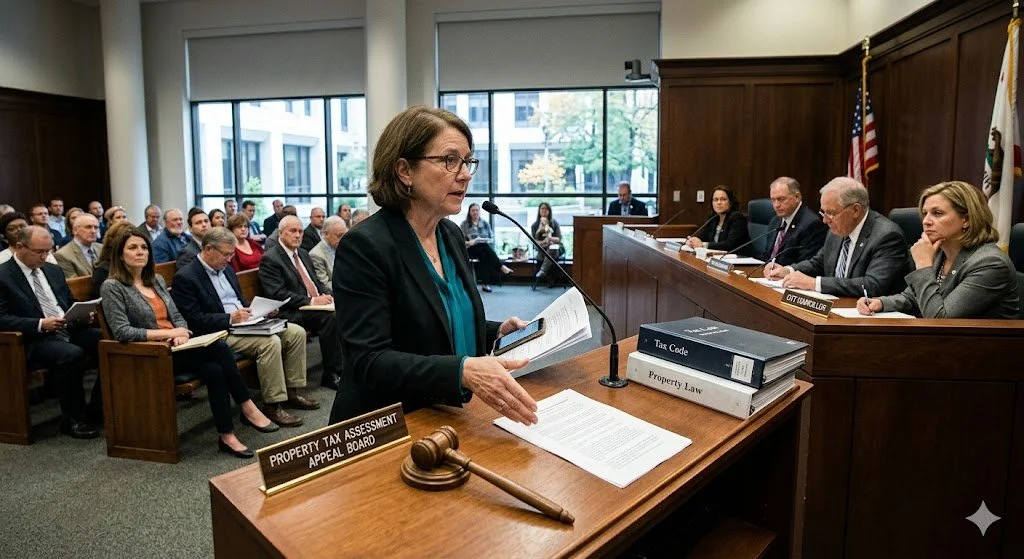
Florida Property Tax Changes 2026: What the "Save Our Homes" Amendment Means for You
If you’ve spent more than five minutes on social media lately, you’ve probably seen the headlines screaming that Florida is completely wiping out property taxes.
Let’s separate the viral rumors from the actual reality.
If you’ve spent more than five minutes on social media lately, you’ve probably seen the headlines screaming that Florida is completely wiping out property taxes.
With all the buzz surrounding Governor DeSantis's recent special legislative session in June, it’s easy to see why rumors are flying. But before you go planning how to spend your tax savings, let’s separate the viral rumors from the actual reality.
Florida hasn't eliminated property taxes yet—but a massive shift is officially heading to the ballot box this fall. Here is exactly what is happening, what is changing, and how it could affect your wallet.
1. Nothing Changes Automatically (The November Ballot)
First things first: the Florida Legislature didn’t just pass a law that changes your tax bill tomorrow. Instead, they passed House Joint Resolution 1-F (the "Save Our Homes from Excessive Property Taxes" amendment).
Because this requires a change to the Florida State Constitution, the ultimate decision belongs to the voters. You will see this measure on your ballot during the November 3, 2026, general election. For it to become law, it must pass with a 60% voter approval.
2. It Only Applies to Your Primary Residence
If passed, this tax relief isn't a blanket cut for all real estate. It specifically targets homesteaded properties (your primary home). If you own rental properties, commercial buildings, or a secondary vacation home, this specific exemption expansion won't apply to them.
3. The Big Shift: School Taxes vs. Non-School Taxes
This is where the social media rumors get it wrong. The proposal does not touch school district taxes, which make up roughly 40% to 50% of your total property tax bill depending on where you live. School funding remains protected.
Instead, the amendment targets non-school property taxes (the money that funds your local county, city, and special districts). If voters say yes, the homestead exemption for non-school taxes will experience a massive, phased jump:
2027: The non-school exemption jumps from the current $50,000 to $150,000.
2028: The non-school exemption climbs again to $250,000.
2029 and beyond: The exemption will be indexed to inflation so it keeps up with rising home values.
The Math: If your primary home is assessed at $225,000, your non-school property taxes would be completely wiped out by 2028. You would only pay your standard school district taxes.
4. The "5-Year Waiting Period" for New Residents
Are you planning a move to the Sunshine State from out of state? Pay close attention to this detail.
To keep the system fair for long-term locals, the amendment introduces a strict phase-in period. Anyone who establishes Florida residency on or after January 1, 2027, will only receive a baseline $50,000 non-school exemption. They must maintain continuous Florida residency for five full years before they qualify for the larger $250,000 exemption.
5. Protections for Local Business Owners
A common worry with massive tax cuts is that local governments will simply raise tax rates on businesses to make up for lost revenue. To prevent this "tax shifting," the amendment also cuts the maximum annual assessment growth cap on non-homestead properties (like small businesses and rentals) from 10% down to 5% for non-school levies.
The Bottom Line
The upcoming ballot measure is the most significant proposed overhaul of the Florida property tax system in decades. It creates a direct legal pathway for future legislatures to completely eliminate non-school homestead taxes over time.
As we head toward November, expect the debate to heat up between those cheering for immediate tax relief and local municipalities worrying about local infrastructure budgets.

Florida Residential property defined
What Legally Counts as "Residential Property" in Florida (And Why It Matters)
If you are buying, selling, or leasing real estate in Florida, the word "residential" seems self-explanatory. It’s where people live, right?
Not exactly. In the eyes of Florida law, the definition of residential property is highly specific, strictly regulated, and has massive legal implications for everyone involved in a transaction. The state draws a sharp line between everyday consumer real estate and commercial ventures.
If you cross that line without realizing it, the legal rules governing your entire transaction change overnight. Here is a breakdown of Florida’s legal definition of residential property and why it matters.
The Legal Definition: The 1-to-4 Rule
Under Chapter 475 of the Florida Statutes—the legal framework that governs real estate brokers, sales associates, and disclosures—residential real estate is strictly limited to three distinct categories:
Four or Fewer Units: Any improved property intended for use as a home or dwelling consisting of one to four residential units (e.g., a single-family home, a duplex, a triplex, or a quadplex).
Vacant Land Zoned for Few Units: Unimproved land legally zoned for the construction of four or fewer residential units.
Small Agricultural Acreage: Agricultural property consisting of 10 acres or less (typically protecting small hobby farms or rural homesteads).
If a property fits neatly into one of these three boxes, it is legally a residential transaction. If it doesn't, it is legally treated as a commercial transaction.
Why the Definition Matters: 3 Massive Real-World Impacts
Florida didn't create these strict thresholds just for fun; they exist for consumer protection. The law assumes that a commercial buyer or a large-scale investor has the resources, legal counsel, and expertise to protect themselves. An everyday homebuyer, however, needs strict legal safeguards.
When a property legally qualifies as "residential," it triggers several vital legal requirements:
1. Brokerage Relationship Disclosures
This is perhaps the biggest reason the definition matters for real estate professionals. Florida law mandates strict written disclosures regarding how an agent represents a client (such as a Single Agent Notice or a No Brokerage Relationship Notice).
By law, these mandatory disclosures only apply to residential transactions. If an agent is representing a buyer for a 5-unit apartment building, those residential disclosure laws no longer apply because the transaction is legally commercial.
2. The Choice of Contract Forms
When a property is legally residential, agents use standard, consumer-friendly forms like the FAR/BAR Purchase and Sale Contract. These contracts are packed with built-in timelines, inspection periods, and financing contingencies designed to protect everyday buyers and sellers.
The moment a building has a 5th unit (even if it’s just a small mother-in-law suite over a detached garage), or a piece of land hits 10.1 acres, the standard FAR/BAR residential contract can no longer be used. The parties must move to a commercial contract, where deposits are often non-refundable, inspection terms are wildly different, and the safety nets disappear.
3. Fiduciary Duties and Representation Rules
In a Florida residential transaction, it is strictly illegal for a single real estate agent to act as a "Dual Agent" (representing both the buyer and the seller with full fiduciary duties).
However, in commercial deals (again, 5+ units or more than 10 acres), the rules change entirely. In commercial transactions, a brokerage can actually use Designated Sales Associates, where one agent in the office acts as a single agent for the buyer and another acts as a single agent for the seller in the exact same deal.
The Bottom Line
In Florida real estate, geography and intent don’t dictate the rules—the math does. An apartment building where people reside can legally be a commercial property, and a piece of dirt out in the country can legally be a residential property.
Before you write an offer, list a property, or sign a contract, always look at the number of units and the exact acreage. Knowing exactly which legal bucket the property falls into is the only way to ensure you are using the right contracts and keeping your legal protections intact.
Disclaimer: This blog post is for informational and educational purposes only and does not constitute formal legal advice. For specific questions regarding Florida real estate statutes or property classifications, always consult with a licensed real estate attorney.

Difference between title and deed in real estate
Title vs. Deed: Clearing Up the Exam Confusion
If you are working through your Florida pre-licensing course, you know real estate has a language of its own. Two terms that constantly trip students up on test day are Title and Deed.
In everyday conversation, people use them interchangeably. But on the Florida real estate exam, mixing them up will cost you points. Here is how to keep them straight.
1. Title is the Concept (Ownership)
In real estate, Title is not a piece of paper. You cannot hold it or put it in a safe. Instead, title is an abstract legal concept representing ownership and your bundle of rights.
📖 The Book Analogy: Think of title like ownership of a book. You own the legal right to read it, sell it, or lend it to a friend. Your ownership is real, but you don't carry a certificate around proving you own that story.
2. Deed is the Document (The Transfer)
While title is the concept of ownership, the Deed is the physical vehicle used to move it.
A deed is a written, physical legal document used by a seller (grantor) to convey property rights to a buyer (grantee). When the deal closes and the deed is signed, witnessed, and delivered, ownership officially changes hands.
🧾 The Receipt Analogy: To complete the book analogy, the deed is your physical sales receipt. It is the tangible, written evidence that a transfer of ownership actually took place.
3. High-Yield Exam Tips
Pearson VUE loves to test the mechanics of how these two interact. Remember these three rules:
Delivery is Key: A deed must be signed by a competent grantor and two witnesses to be valid. However, title does not pass until the deed is voluntarily delivered and accepted by the grantee.
Recording = Notice:A deed doesn't have to be recorded at the courthouse to be valid between a buyer and seller. However, recording it creates Constructive Notice (legal notice to the entire world) that you hold title.
Chain of Title: A title company reviews the history of a property by looking at the "chain of title"—the historical stack of past deeds showing how ownership moved from person to person over time.
The Bottom Line
Don't overthink it on the exam. Title is the ownership; the Deed is the paper that moves it. Master this distinction, lock down your vocabulary, and you’ll pass your school and state exams with confidence!

How to Choose Your First Real Estate Broker: The Ultimate Interview Guide
You’ve put in the hours, mastered the laws, conquered the math, and passed your course exam. First of all—congratulations! Taking that step is a massive milestone. But as you prepare to ace the Florida state exam, there is another crucial decision waiting for you on the horizon: Choosing your initial qualifying broker.
In Florida, your real estate license remains inactive until you are officially registered under a licensed brokerage. But don’t just sign with the first office that calls you. As an independent contractor, you are interviewing them just as much as they are interviewing you. Here is a breakdown of what to look for in your first brokerage, along with the exact interview questions you should ask to find the perfect fit.
1. What to Look For in Your First Brokerage
When you are brand new to the industry, your immediate priority shouldn't just be the highest commission split. It should be support, education, and volume potential. Look for these three pillars:
A Culture of Mentorship: You know the law now, but do you know how to write a winning offer in today's local market, handle a difficult home inspection, or navigate a closing table? A broker who offers structured mentorship is worth their weight in gold.
Comprehensive Training: Look for brokerages that offer ongoing education, contracts clinics, and technology training.
Lead Generation Support: Does the brokerage provide leads, floor time, or marketing tools to help you get your pipeline started, or are you entirely on your own from day one?
2. Crucial Interview Questions to Ask Potential Brokers
When you sit down with a Managing Broker or Team Leader, treat it as a business consultation. Bring a notepad, show your professionalism, and ask these targeted questions:
About Training & Support
"Do you have a formal training program or mentorship structure for newly licensed agents?"(You want to know if there is a step-by-step onboarding process or if you'll be left to figure it out solo.)
"Who is available to answer my questions when I am writing my first few contracts? Is there someone accessible on evenings and weekends?"(Real estate doesn't just happen between 9-to-5. You need to know who has your back when an offer needs to go out on a Saturday night.)
About Commission Splits & Fees
"What is the commission split for new agents, and is there a 'cap'?"(Understand exactly how the money is divided and if there is a maximum amount the brokerage takes before you keep 100%.)
"What monthly or hidden fees should I expect?"(Ask explicitly about desk fees, technology fees, insurance (E&O) fees, or franchise fees. You need a clear picture of your overhead costs.)
About Marketing & Technology
"What technology, CRM, or marketing tools does the brokerage provide to agents at no extra cost?"(Good software is expensive. If the brokerage provides a powerful Customer Relationship Management tool, that saves you major start-up capital.)
"How do you handle lead generation or floor time for new agents?" ---
3. Trust Your Gut and Make Your Move
There is no single "right" brokerage—only the brokerage that is right for your business goals. Some agents thrive in massive national franchises with rigid corporate training, while others excel in boutique, local independent firms that offer highly personalized, hands-on guidance.
Your Next Step: Don't wait until you get your state exam pass slip to start looking. Start researching local brokerages right now, reach out to schedule a few coffee meetings or interviews, and set yourself up to hit the ground running the moment your license goes active.

The Top 5 Vocabulary Terms That Trip Students Up on the Florida Real Estate Exam
Starting a new career path is incredibly exciting, but preparing for the final state evaluation can feel a bit like learning a completely new language. If you are currently working your way through a Florida real estate pre-licensing course, you already know just how much information you need to absorb.
When it comes to passing the 100-question state exam administered by Pearson VUE, vocabulary is half the battle. The Florida Real Estate Commission (FREC) legal standards require precise knowledge, and the examiners love to test you on terms that sound similar but mean completely different things in practice.
To help you study smarter, here are five of the most commonly confused vocabulary terms that trip students up—and exactly how to keep them straight.
1. Culpable Negligence vs. Fraud
Both of these terms involve doing something wrong in a transaction, but the intent behind them changes everything.
Fraud occurs when an agent intentionally misrepresents a material fact to deceive someone, resulting in financial harm.
Culpable Negligence, on the other hand, doesn't require intent. It occurs when you are simply so reckless, careless, or intentionally blind to your duties that you guide a client into harm without meaning to.
Study Tip: Remember, you can be disciplined by FREC for a mistake even if you "didn't mean to do it." If you should have known better, it's culpable negligence.
2. Conversion vs. Commingling
These are the two biggest mistakes an agent can make when handling earnest money deposits, and mixing them up on the exam is a classic pitfall.
Commingling is the act of mixing a client’s trust funds with personal or business funds. For example, depositing a buyer's escrow check directly into your brokerage operating account.
Conversion happens when you actually spend or use that client’s money for personal or business expenses.
Study Tip: Think of Commingling as Combining funds, and Conversion as Converting someone else's money into your own pocket. Both are serious violations!
3. Blockbusting vs. Steering
Both of these are illegal practices under the Fair Housing Act, but they target different audiences.
Blockbusting involves convincing homeowners to sell their properties cheaply by implying that a protected class (e.g., a specific race or nationality) is moving into the neighborhood, which will cause property values to drop.
Steering is directing a potential homebuyer toward or away from certain neighborhoods based on their protective class, rather than their housing criteria.
Study Tip: Blockbusting targets sellers (busting up a block), while steering targets buyers (steering them down a specific road).
4. Actual Notice vs. Constructive Notice
This pair tests your understanding of legal ownership and title recording.
Actual Notice is direct, firsthand knowledge of a fact. For example, if a seller hands you a deed and says, "Look, I own this property," you have actual notice.
Constructive Notice (also called legal notice) is achieved by recording a document in the public records. Even if a buyer never drives down to the courthouse to look at the records, the law assumes they know about it because it is publicly available.
Study Tip: Recording a deed in public records always creates constructive notice. It tells the entire world, "This property is mine."
5. Bilateral vs. Unilateral Contracts
Contracts make up a massive portion of the state exam, and you must know the difference in how promises are exchanged.
Bilateral Contract: A promise for a promise. Both parties are legally bound to perform. (e.g., A standard residential sales contract where the seller promises to give the deed and the buyer promises to give the money).
Unilateral Contract: A promise for an act. Only one party is obligated to perform, and the second party only has to act if they choose to.
Study Tip: An open listing agreement or an option contract are classic examples of unilateral contracts. The seller promises to pay a commission if an agent brings a buyer, but the agent isn't legally forced to go look for one.
Final Thoughts: Focus on the Nuances
The secret to mastering the FREC license requirements and passing your exam on the first try isn't just memorizing definitions—it’s understanding how these concepts apply to real-world scenarios.
If you want to move past simple flashcards and truly understand the legal mechanics of a successful real estate career, finding the right classroom environment matters.
Ready to turn these confusing legal terms into a rewarding new profession? Explore our upcoming schedules for the 63-hour real estate course online and in-person sessions at Moulder’s Real Estate Schoolin Pensacola. Let’s get you prepped, confident, and licensed!

GET YOUR CAREER STARTED NOW
Can You Really COMPLETE Your Florida 63-HOUR Real Estate COURSE in Just One Week?
Thinking about a career change but worried you don't have months to spend in a classroom?
Here’s the good news: You don’t need months. At Moulder's School of Real Estate, you can knock out your entire Florida FREC-approved 63-hour pre-licensing education in exactly seven days. If you are ready to hit the ground running, our immersive classroom course is designed to get you trained, tested, and ready for the state exam faster than any online module can.
Why the 7-Day Classroom Track Works Better Than Online
While online courses sound convenient, it’s incredibly easy to get distracted, get stuck on complex real estate math, or let a "go at your own pace" course drag on for six months.
Our intensive 7-day course strips away the procrastination. When you step into our Pensacola training room, you get:
Total Immersion: You absorb the material quickly because you are living and breathing real estate for a week.
Instant Feedback: Stuck on a concept? Barry and Amy are right there to break it down until it clicks.
Higher Retention: Studying in a collaborative environment with peers helps you retain the tough laws and formulas you need to pass on your first try.
Next Week's Schedule: How It Breaks Down
We don't waste any time. We dive in, give you all the tools you need, and wrap it up in a single week. Here is exactly what your week looks like:
Monday through Saturday: 8:30 AM – 5:30 PM (Comprehensive classroom instruction, practice questions, and real-world examples).
Sunday: Class Test Day (Put your knowledge to the test and clear your final school hurdle!).
By Sunday evening, your required 63 hours are complete, your school exam is behind you, and you are ready to schedule your Florida state exam.
⏳ Seats are Limited – Secure Your Spot for Next Week!
Because this is an in-person, interactive class at our Langley Ave location, seating is strictly limited. Our 7-day immersion courses are highly popular because they allow you to jumpstart your new career without dragging out the process.
Don't push your dreams off until next month. Take the leap, dedicate one week to your future, and let's get you licensed!
👉 Click here to view the schedule and register for next week's 63-Hour Pre-Licensing Course!